The Process
How Cigars Are Made
- The leaf
- The cigar
The Process
The leaf · Tobacco Agriculture
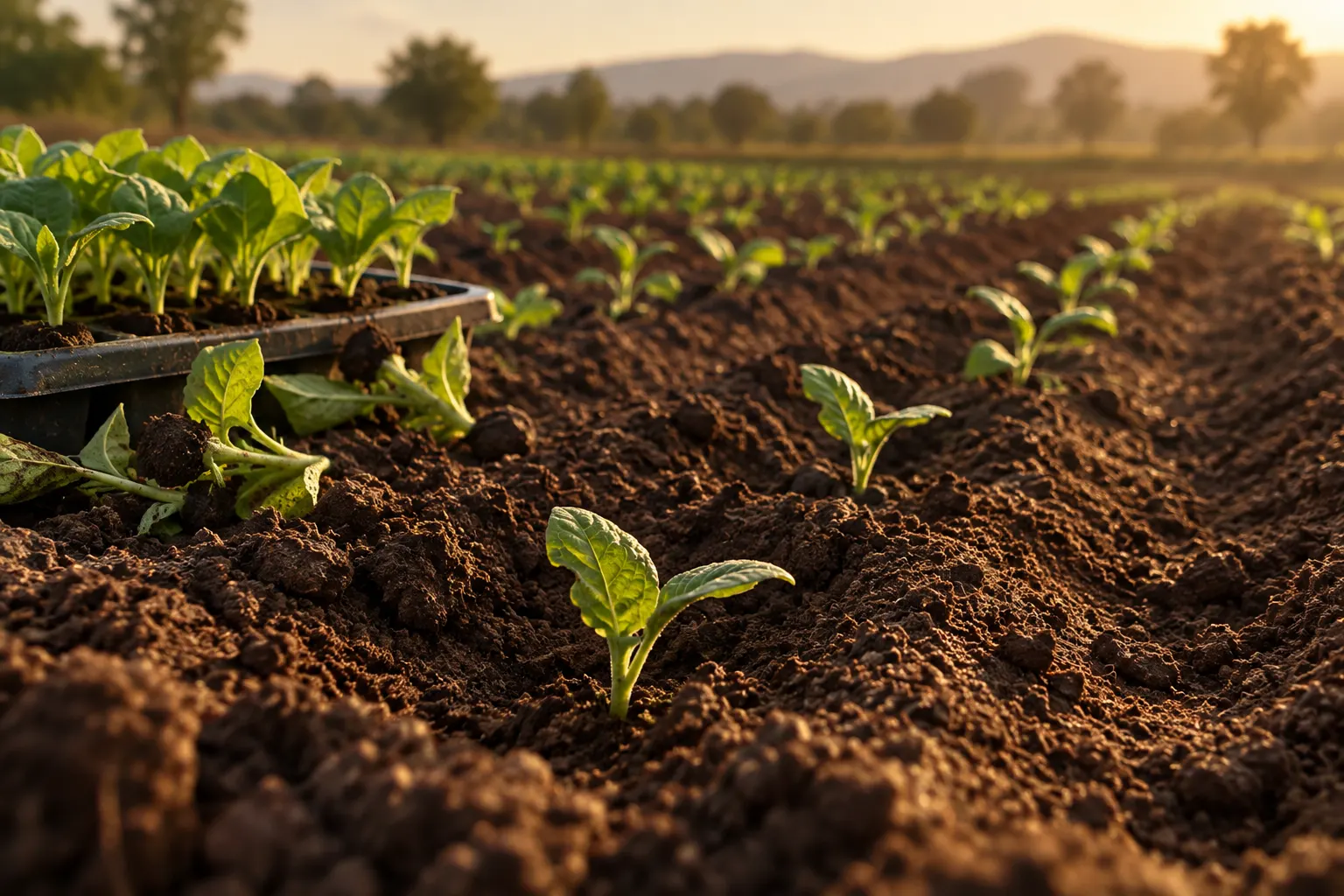
The process begins with the careful selection of seeds, which are sown in seedbeds under controlled conditions to protect young plants from adverse weather and pests. After approximately two months, the seedlings are transplanted into well-prepared fields, spaced to optimize growth and leaf development. Throughout the growing season, which lasts about six months, farmers apply organic fertilizers and employ traditional pest control methods to maintain the health of the crops. The quality of soil and climatic factors such as humidity, temperature, and rainfall are critically monitored, as they directly influence the tobacco's texture and aroma.
The leaf · Tobacco Agriculture
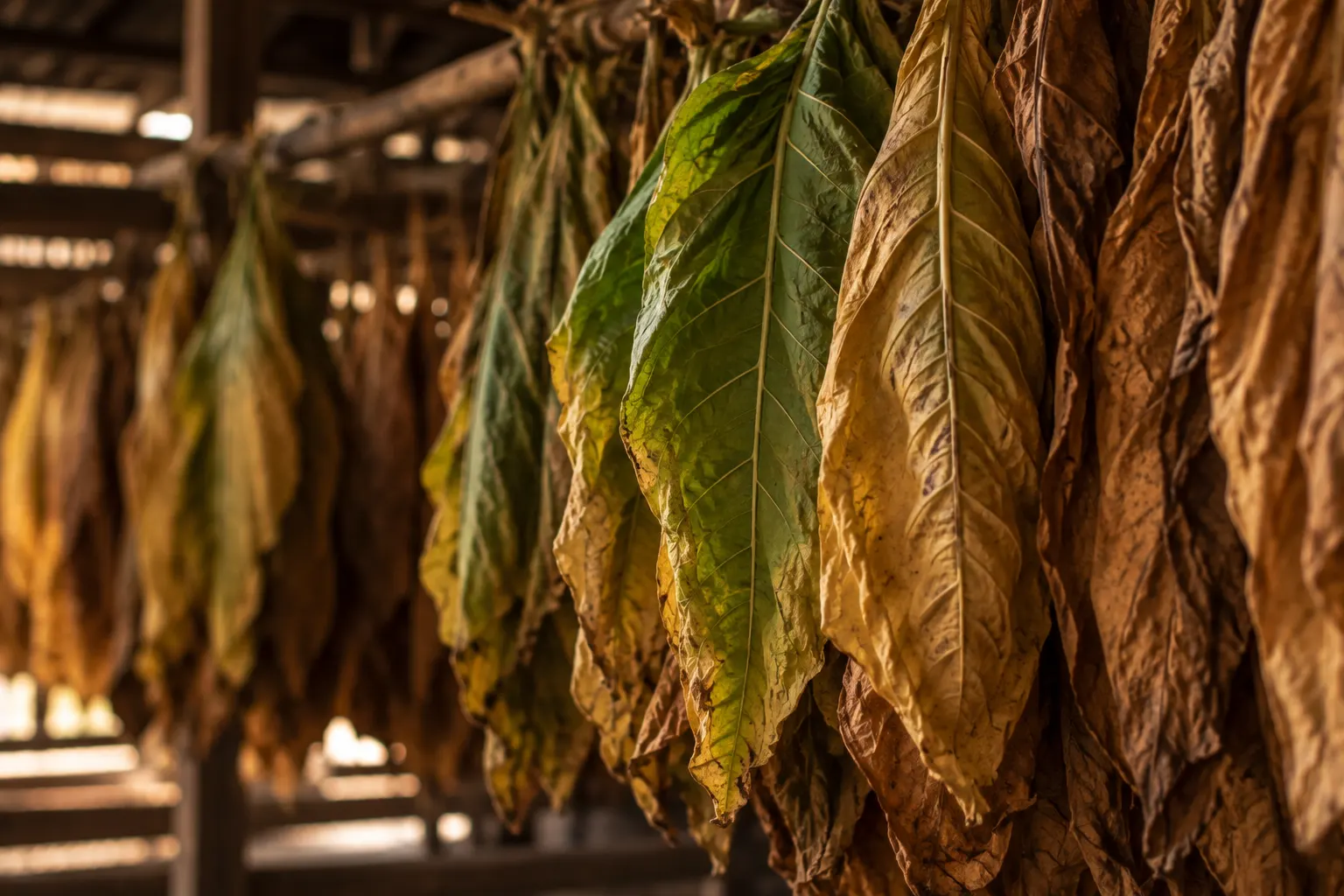
When the tobacco plants reach maturity, typically indicated by the yellowing of lower leaves, the harvesting process commences. Leaves are picked by hand in several stages, starting with the upper “volado” leaves, followed by the “seco” and finally the thicker “ligero” leaves found at the top of the plant. This selective harvesting ensures that each leaf is gathered at optimal ripeness. Once harvested, the leaves undergo an initial curing phase known as barn curing or air curing. They are hung in well-ventilated curing barns, where temperature and humidity are carefully regulated over a period of four to eight weeks. This method facilitates the gradual drying of leaves, reducing chlorophyll content and developing the characteristic color and scent essential for premium tobacco.
The leaf · Tobacco Agriculture
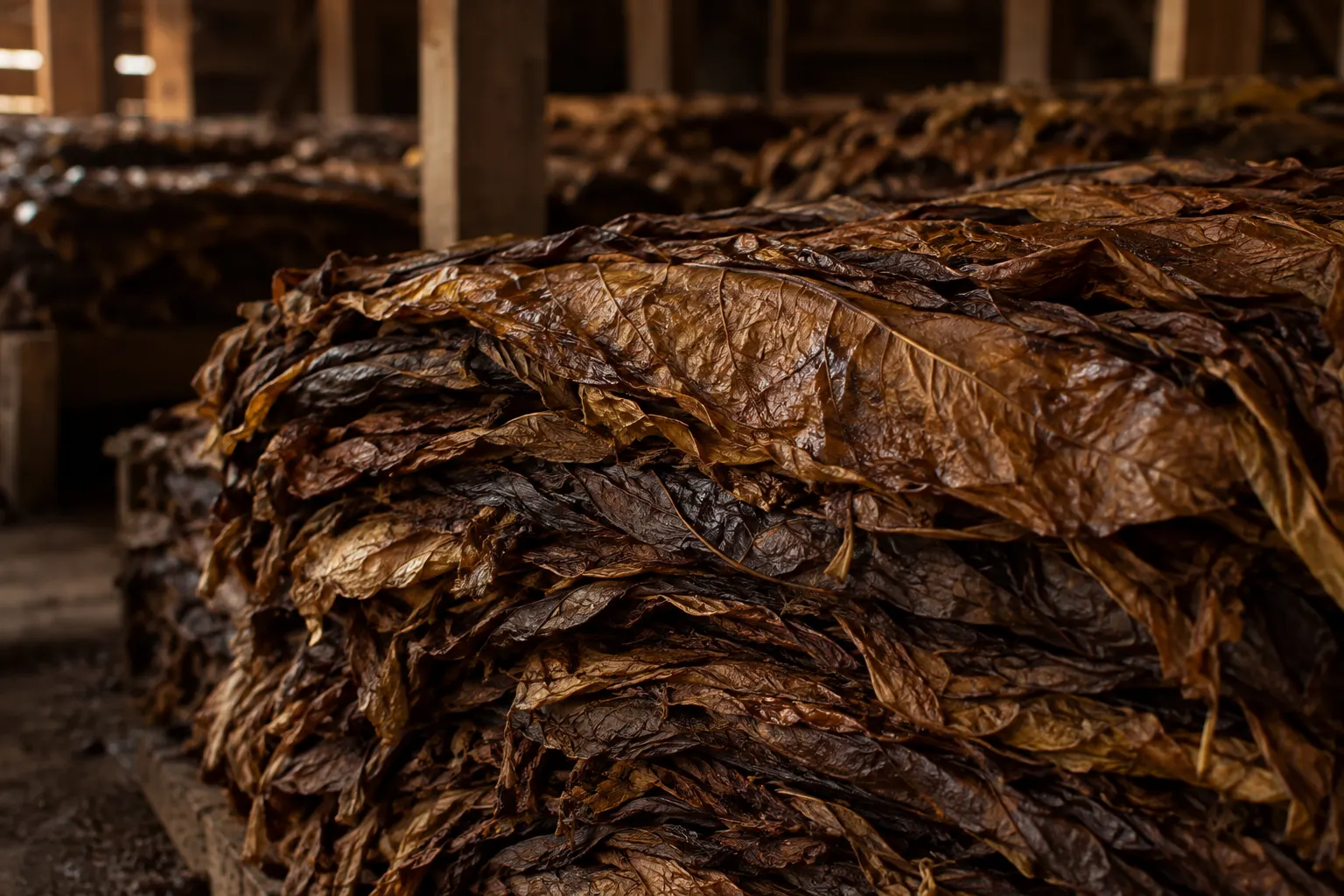
Following curing, the leaves are sorted and classified based on size, texture, and color. The fermentation process then begins, a vital step in which leaves are bundled and stored in humid conditions to encourage microbial activity that further refines flavor profiles and removes undesirable harshness. Fermentation may last from weeks to several months, depending on the desired characteristics.
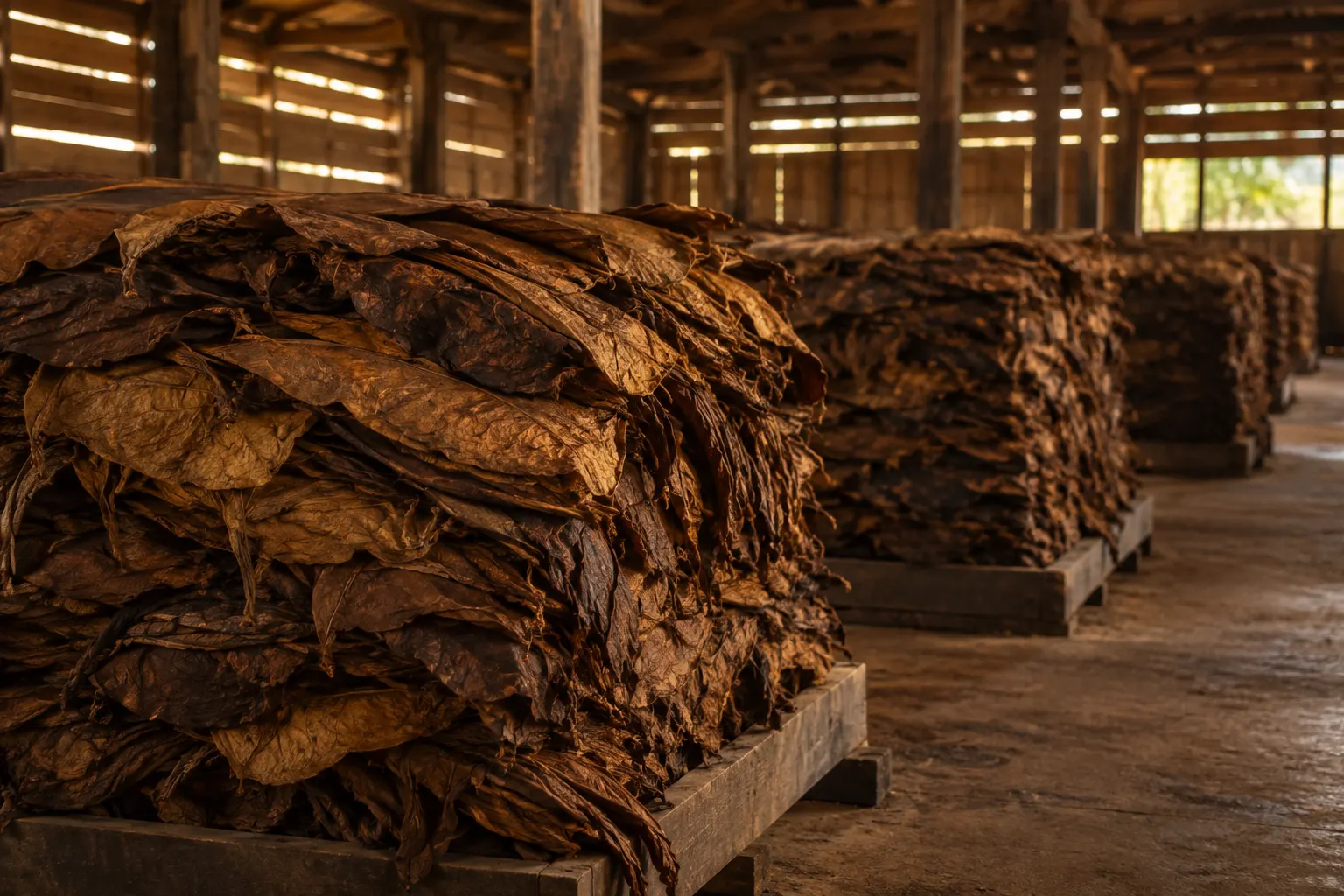
Finally, the prepared tobacco leaves are aged, often for several years, allowing complex chemical changes to enhance their aroma and smoking qualities. Only after this extensive preparation are the leaves handed over to skilled torcedores (cigar rollers), who expertly craft them into cigars. This intricate sequence of cultivation, harvesting, curing, fermentation, and aging underscores the dedication and tradition behind every cigar, contributing to its esteemed reputation as a luxury product enjoyed worldwide.
The cigar · 01 / The Process
At Clandestinos, the creation of each blend begins long before the tobacco reaches the roller’s table.
We work with leaves from different origins, selected for their individual characteristics, using Cuban-seed tobacco as the foundation of all our fillers. We seek out materials that have undergone triple fermentation and, during our own raw tobacco selection process, subject the leaves to an additional, brief fermentation before rolling.
This process goes beyond the pursuit of maturity or smoothness. Its purpose is to prepare the leaf so it can be worked with greater precision during blend development.
For us, the quality of raw tobacco is also measured by its capacity for manipulation. Adjusting proportions, combining origins, and shaping the expression of each component allows us to approach the blend as a composition: seeking balance, structure, complexity, and a defined evolution throughout the smoking experience.
Pre-production is therefore our first opportunity to shape the final character of a Clandestinos cigar.
The cigar · 02 / The Process
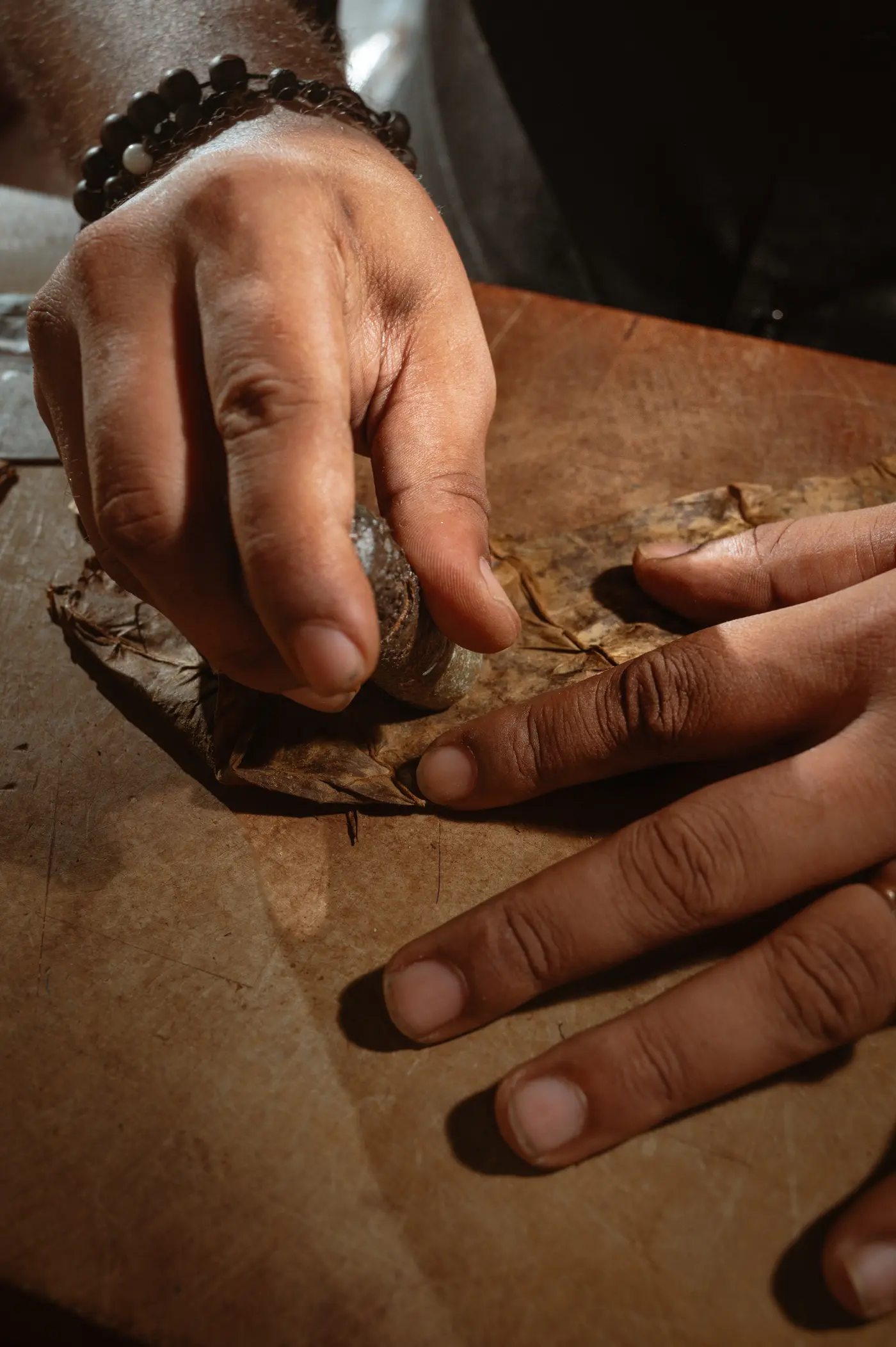
At Clandestinos, rolling is more than the process of giving a cigar its shape. It is an extension of blending.
Each leaf possesses different characteristics along its structure. Our blends therefore depend not only on the tobaccos we use, but also on how and where each section of those leaves is positioned within the cigar.
During rolling, we carefully manipulate the orientation and arrangement of the filler to control how strength, flavor, and complexity unfold throughout the smoking experience. This allows us to build a deliberate evolution from the first light to the final draw, creating transitions that are integral to each blend.
The draw is also part of that identity. We seek a balance between the traditional resistance of a Cuban cigar and the more open draw characteristic of many New World cigars. Each cigar is individually inspected to ensure it remains within our parameters.
Finally, every Clandestinos cigar receives finishing touches inspired by the tradition of old custom rolls, including our butterfly cap and artisan foot. These functional and visual details recall an era when a cigar could be crafted as an individual piece, rather than simply as a factory product.
The cigar · 03 / The Process
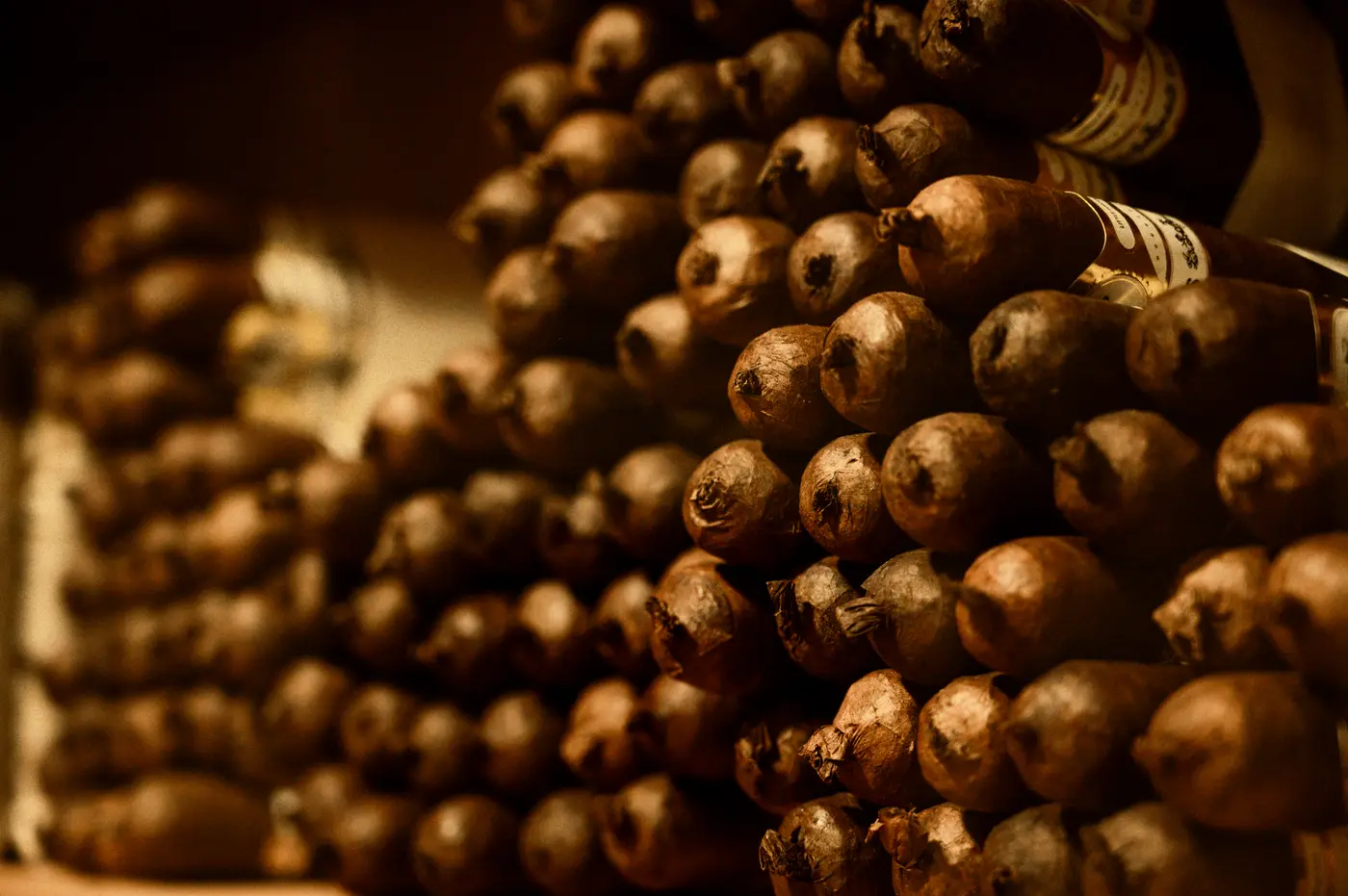
Once rolled, our cigars first undergo a freezing process designed to eliminate insects and protect the finished product.
From there, a period of controlled storage begins in a cedar-lined aging room. During this stage, we deliberately reduce exposure to oxygen while controlling both temperature and humidity, creating a more stable and predictable environment for the cigars to rest.
The goal is more than simply storing the cigar. We subject it to aging cycles that allow the different components of the blend to integrate, stabilize, and evolve before reaching the consumer.
Every Clandestinos cigar rests for a minimum of 90 days, with periods that may extend to 180 days or more, depending on the needs of the blend.
For us, aging is not merely the end of the process. It is the stage where everything developed through selection, blending, and rolling finds its final balance.

This website sells tobacco products and is only for adults of legal smoking age.