The Brand
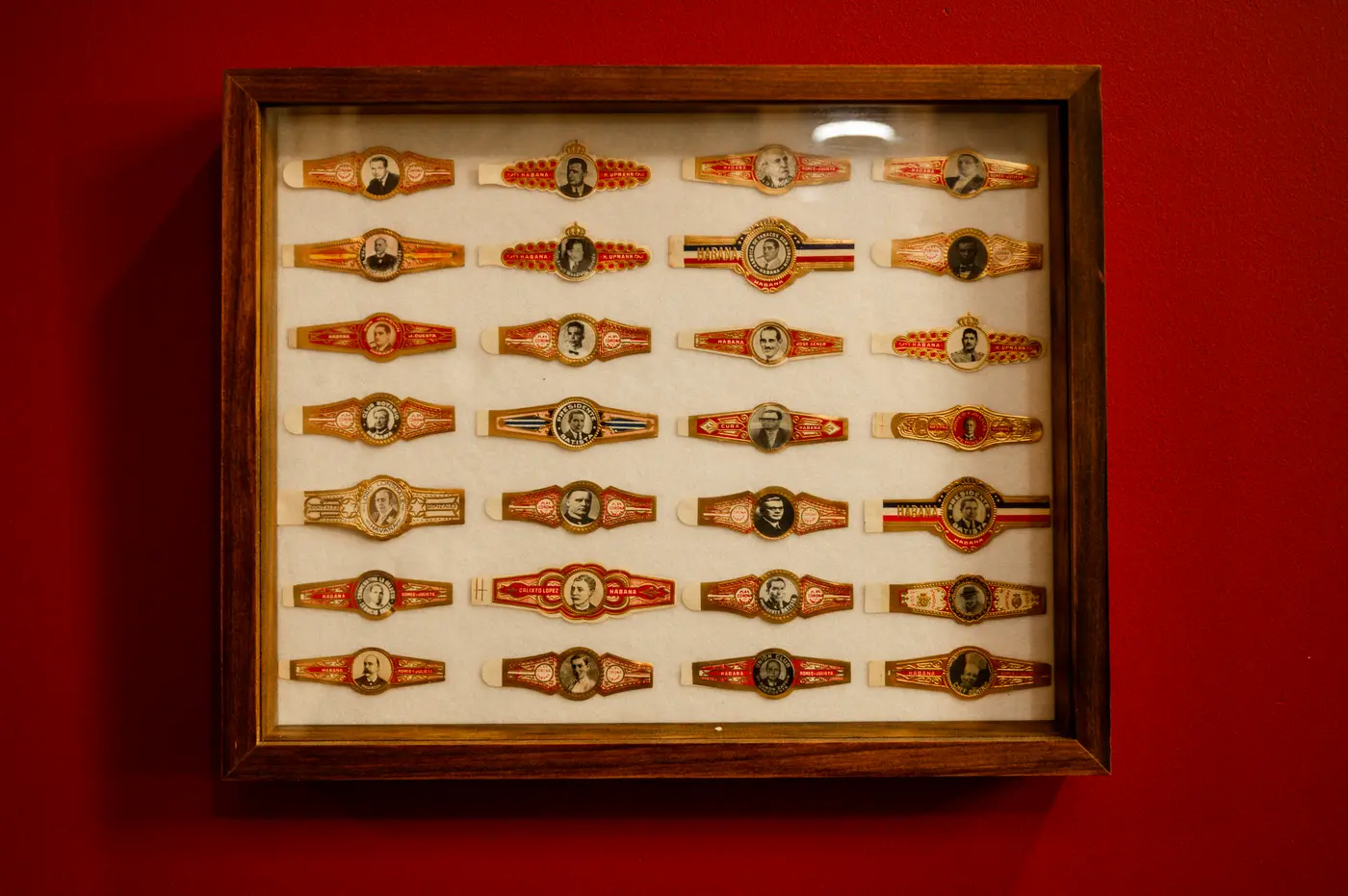
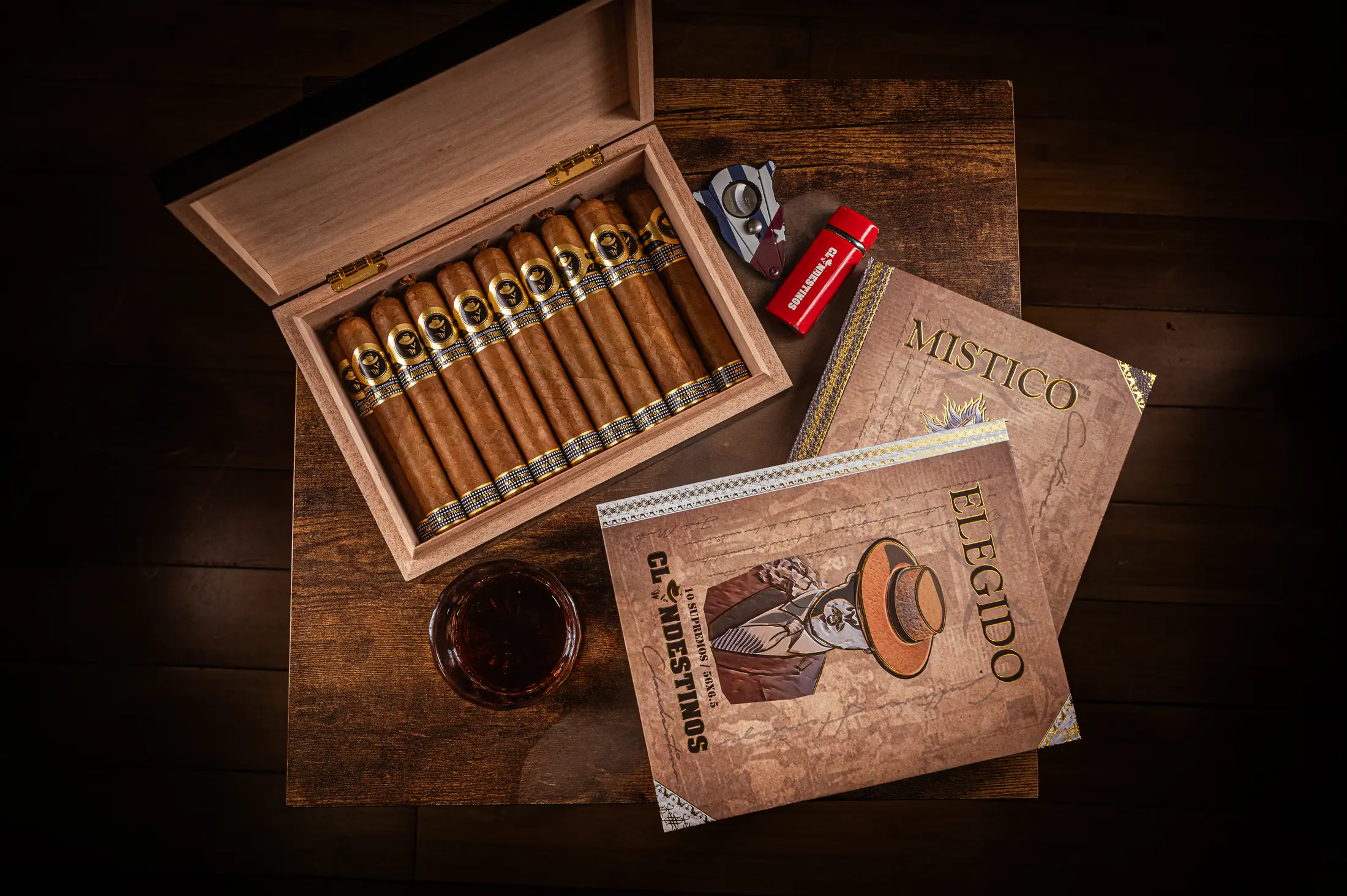
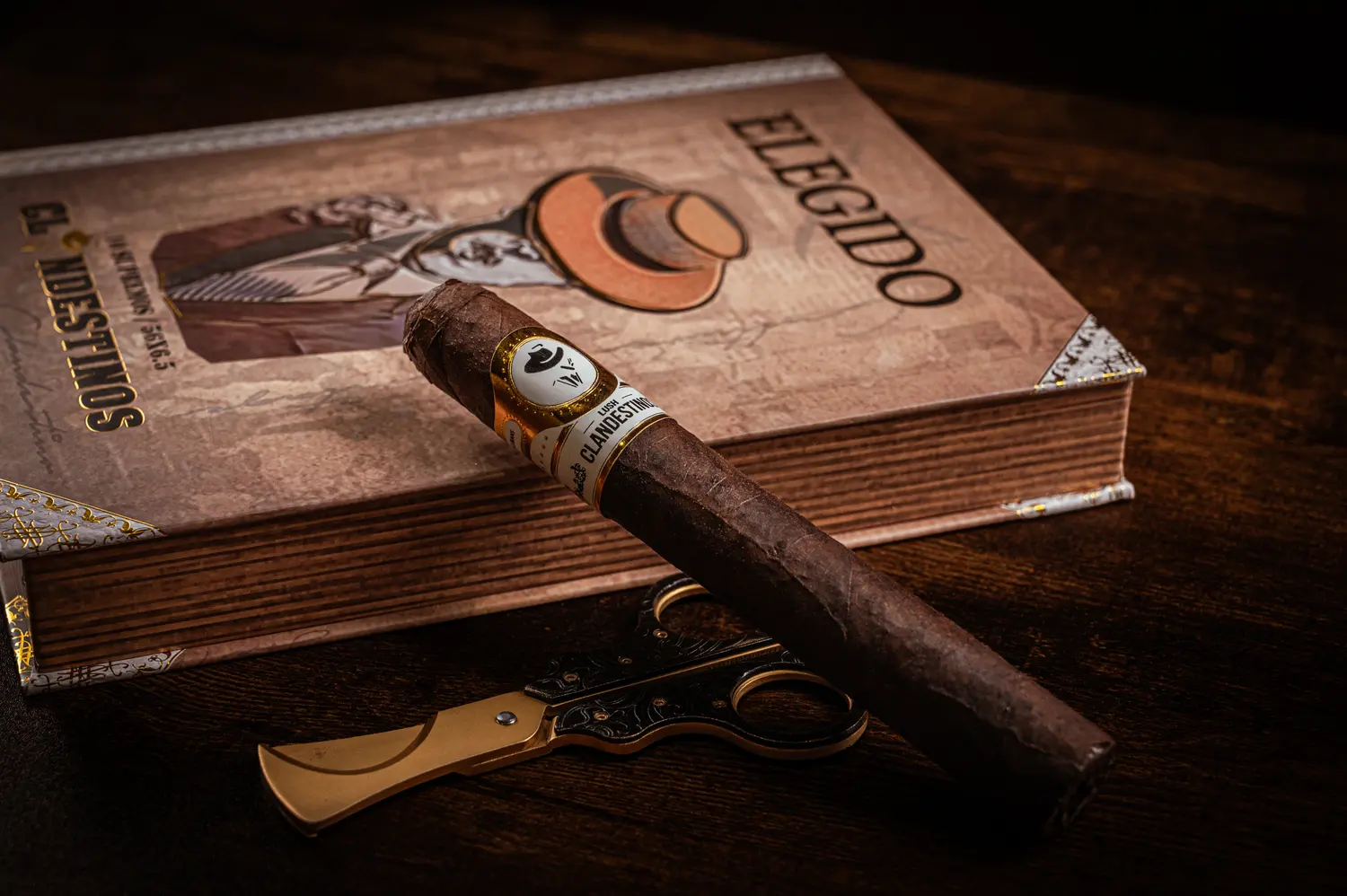
Cigar bands made especially for presidents of the republic before 1959 and other great personalities. Little Havana boutique collection.
The History
The History
Before the great cigar boom of the 1930s, the most demanding smokers did not buy their cigars: they had them made. Many factories even had to produce limited editions for private clients. That tradition lived on in the countryside, among the tobacco growers, and in the small cigar shops of the cities, among the rollers.
When Fidel Castro’s dictatorship took control of the habanos industry and expropriated the businesses, making cigars on one’s own account was banned in Cuba. The tradition survived anyway: growers in the countryside, rollers in the city and Cuban immigrants in exile kept the art and the secrets of the custom rolls in a clandestine.
Clandestinos is a tribute to that way of making cigars.
The Challenge
The Challenge
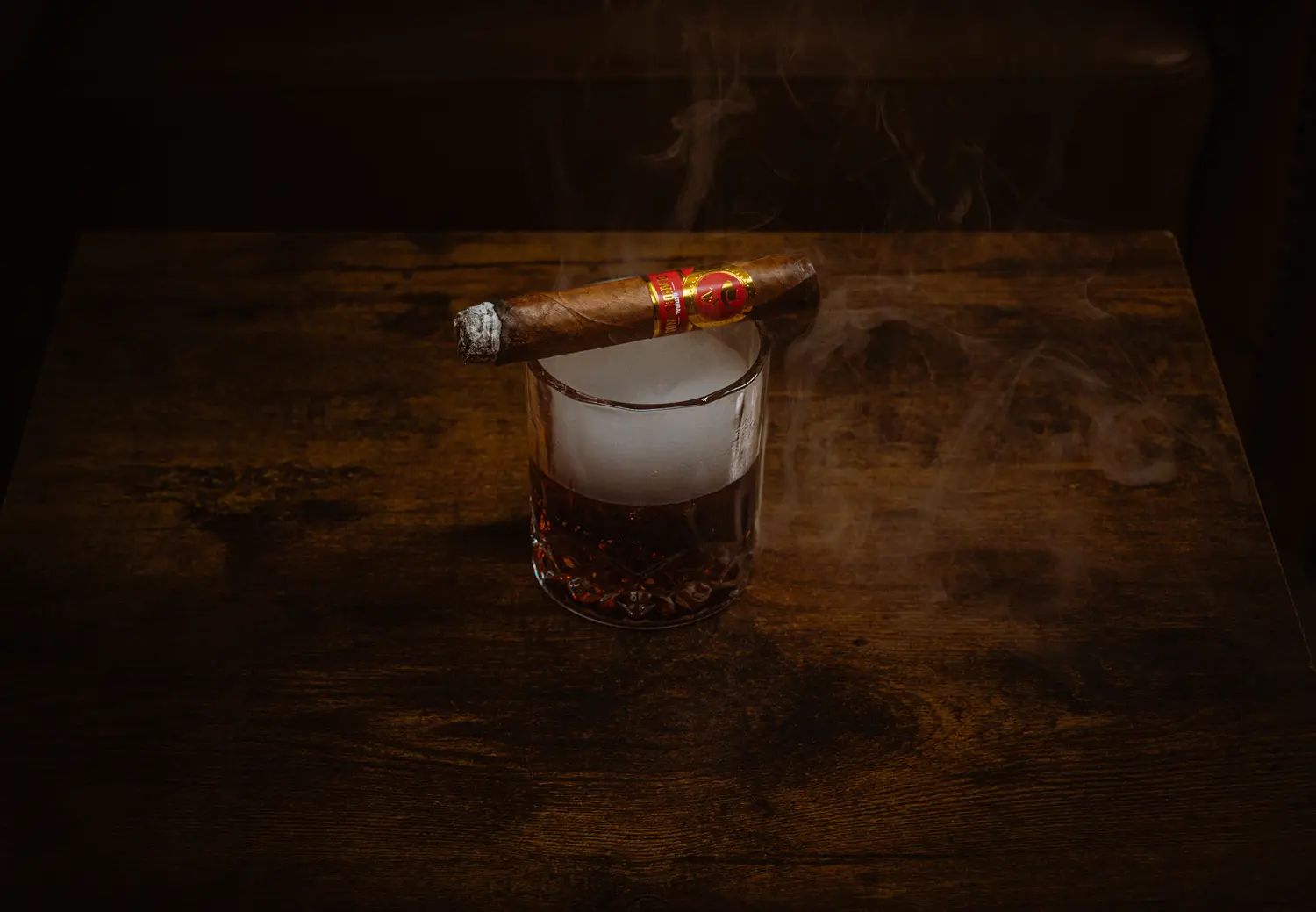
The challenge behind Clandestino was born from a very clear idea: to create, outside of Cuba, a product that could come close to the experience of an authentic Cuban cigar, without having Cuban raw material. On top of that came another difficulty: over time, rolling techniques had evolved differently in countries such as Nicaragua, Honduras and the Dominican Republic, moving away from certain principles of the Cuban tradition.
Harmony
Harmony
However, the challenge went far beyond construction. For us, one of the characteristics that truly sets the Cuban cigar apart is its harmony. A cigar can be strong, mild or medium in intensity, and it can have different flavor profiles, but it must keep a balance throughout the entire smoke. That harmony, that ability to bring together different characteristics without any of them unbalancing the whole, was precisely what we wanted to achieve.
Our goal was not simply to reproduce a flavor, but to recreate that internal coherence that characterizes the Cuban cigar. To achieve it, we needed to develop a different way of working the blends, paying special attention not only to the selection of the leaves, but also to how they are handled and to the role each one plays inside the cigar.
Fifteen days
75 Attempts
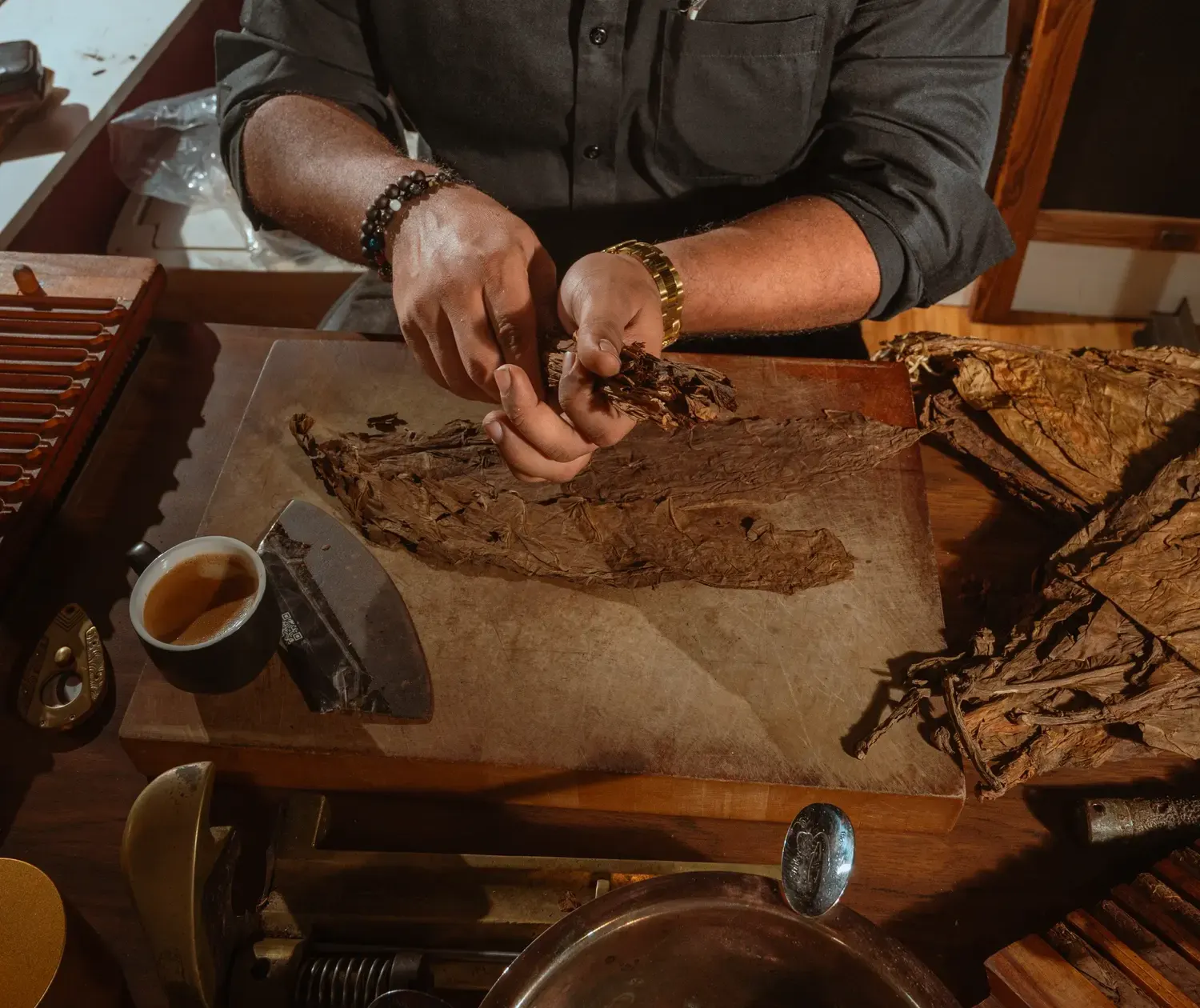
Fortunately, we had a team of cigar makers and master blenders with a great deal of experience. We began working together, developing and testing countless combinations. Yet the results did not come. To put it in perspective, in a single working day we could easily develop five different blends. We spent fifteen consecutive days making about five blends a day, without getting a single one that truly delivered what we were looking for.
The frustration was such that we seriously considered abandoning the project. After so many attempts, we were beginning to think that what we were trying to achieve simply might not be possible.
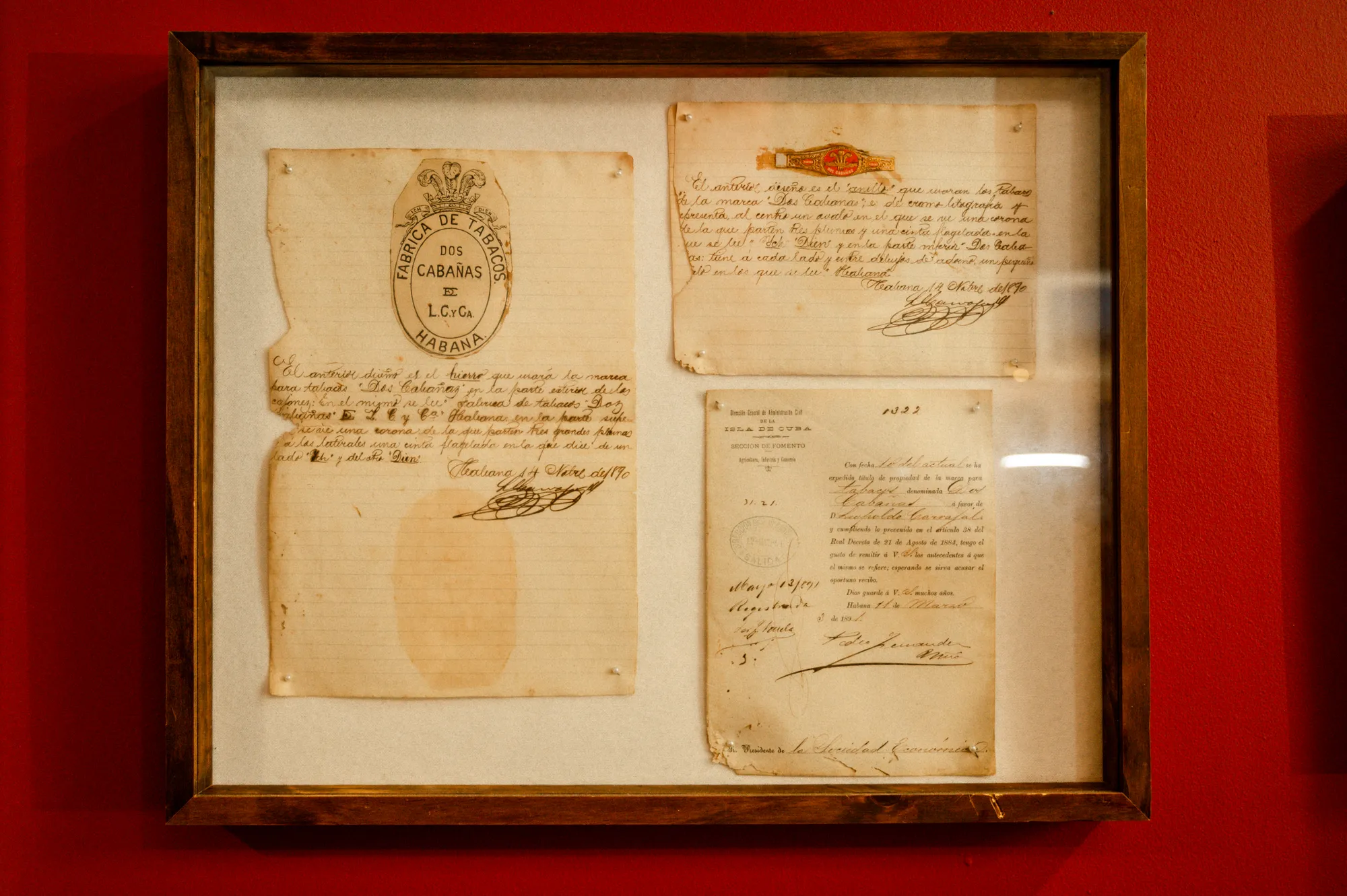
Authentic Dos Cabañas trademark registration, Havana, 1890.
The Old Cigar Maker
The Old Cigar Maker
It was precisely in one of those moments of frustration that something happened that would end up changing everything.
Sitting next to us, in the factory, was an old cigar maker who had been a highly respected figure in the world of tobacco. During the 1940s and 1950s he had traveled to different parts of the world doing special work and making personalized cigars, what we know as custom rolls. He was a man with an extraordinary career and a lifetime of accumulated knowledge devoted to the craft.
By the time we had the chance to meet him, he unfortunately had advanced Parkinson’s that kept him from rolling cigars. Although his hands had lost the ability to carry out the craft, his knowledge remained intact. That man, who sadly has since passed away, ended up sharing with us one of the most important lessons of our lives as manufacturers.
The Lesson
The Lesson
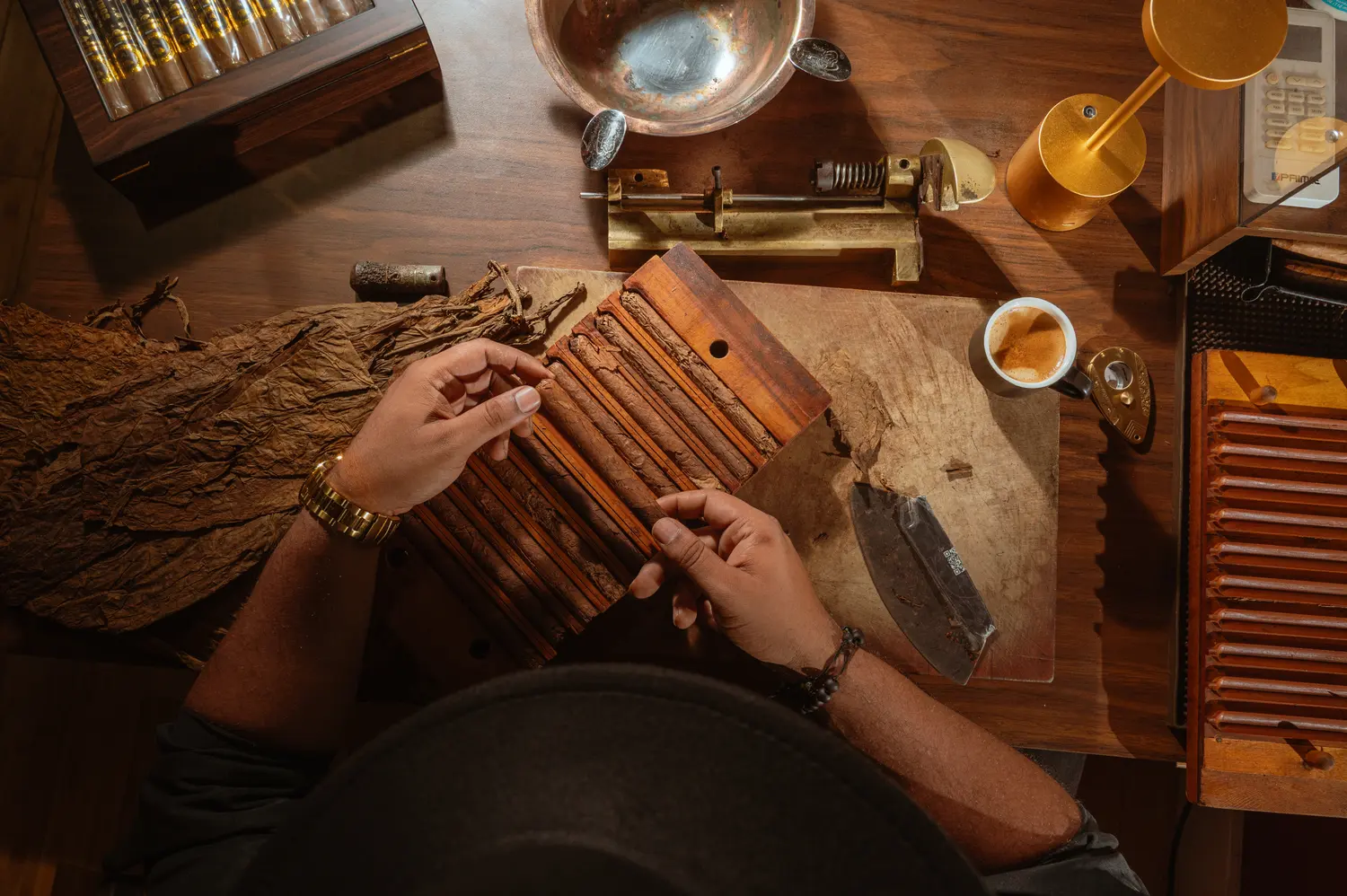
During our conversation he explained to us that the same combination of leaves could produce completely different results depending on how the materials were handled. The position of each leaf inside the cigar, the way it was cut, its distribution and the way the blend was reorganized could radically transform the final result.
It made a great deal of sense to us, but a question immediately came up: if that knowledge was so important, why was it not part of the usual training of cigar makers? His answer was revealing.
He explained to us that in the past those techniques were a common resource for making personalized cigars. But with the arrival of communism in Cuba and the standardization of production that followed, the goal stopped being that each cigar maker could create different products and became that everyone made cigars following uniform procedures. As a result, those practices gradually disappeared from training and from the daily work in the factories.
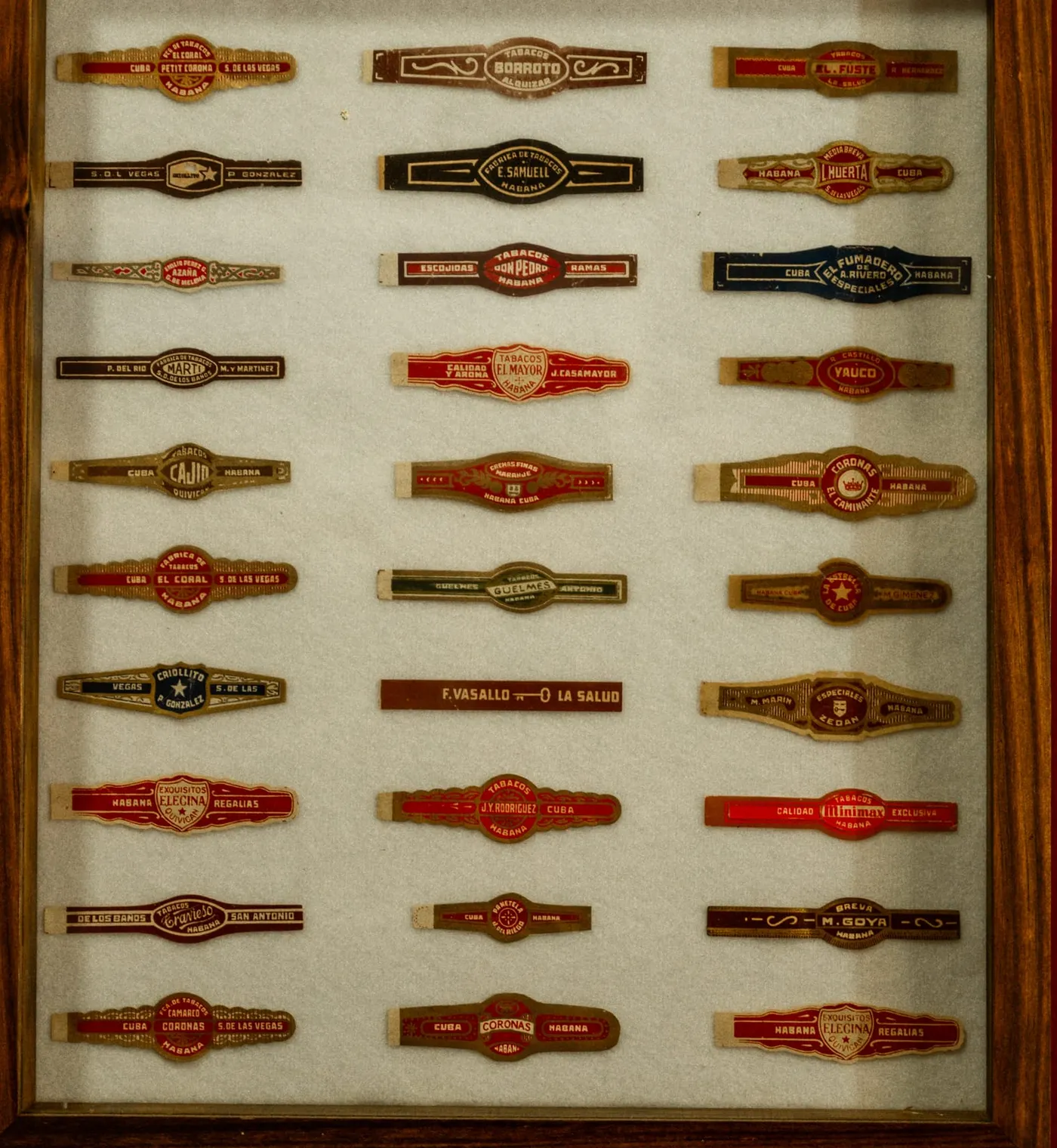
Cigar bands from Cuban chinchales before 1958, the small workshops where custom rolls were made.
Those Who Preserved It
Those Who Preserved It
Even so, some cigar makers kept preserving that knowledge and making personalized cigars in a clandestine way, keeping alive a tradition that had been left outside the official production methods.
That conversation left a deep mark on us. It not only showed us a completely different perspective on making blends, it also brought us closer to a part of the history of Cuban tobacco that we did not know.
The Dream
The Dream
That night a dream came. Probably influenced by the depth of that conversation and by the days we had spent obsessed with finding a solution, the dream showed a cigar made with certain materials, but handled and arranged in a completely different way.
The next morning, with that idea still very present, we went straight to the factory to put it into practice. When we explained what we intended to do, practically nobody believed it could work. The master blenders and rollers who were there considered that way of working far too unorthodox, completely removed from what was traditionally understood as the correct way to build a cigar.
And It Worked
And It Worked
But there was an extraordinary paradox in all of it: what then seemed unorthodox was, in fact, a recovery of much older practices. Handling the leaves as a way of modifying the characteristics of the tobacco had roots that went back even to the time of the indigenous peoples, long before industrialization and standardization established the procedures that many now consider traditional.
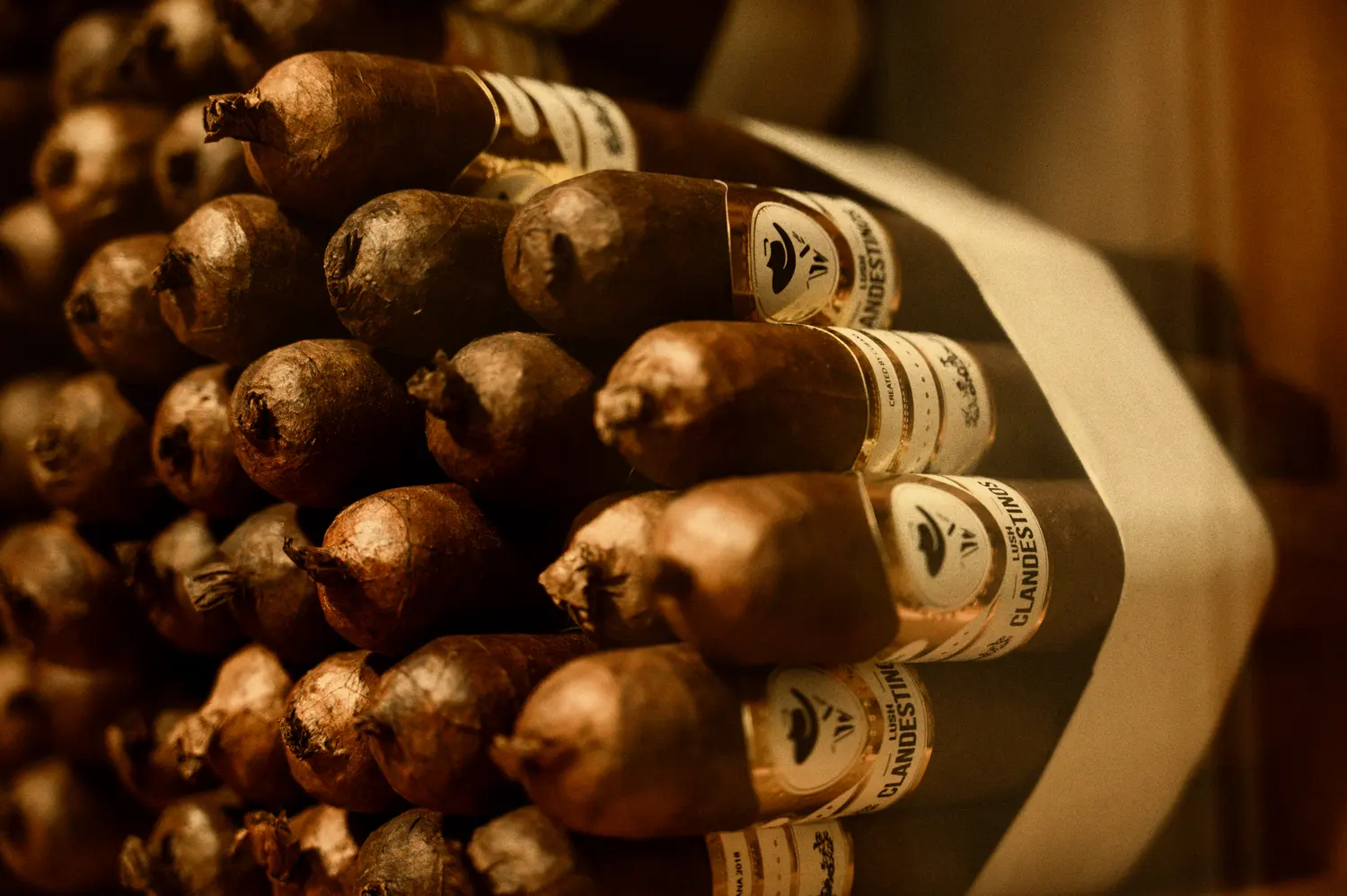
We decided to go ahead with the idea. And it worked. After approximately seventy-five failed attempts, that blend conceived in a dream became the first one that finally achieved what we had been looking for.
We remember the surprise of the people who were there. The same master blenders and rollers who had initially doubted the procedure wanted to understand how we had arrived at that combination and, above all, how it had occurred to us to handle the materials that way. The answer was as simple as it was extraordinary: it had come from a dream, but from a dream that would hardly have existed without that conversation with the old cigar maker.
Before and After
Before and After
That first blend marked a before and an after. From it we began developing the other blends that would end up making up the Clandestino catalog. More importantly, that experience established a working philosophy that we keep to this day and apply every time we develop a new product.
We learned that a blend is not defined only by the leaves that make it up, but also by the way those leaves are interpreted, handled and integrated with one another. We understood that the true art of blending is finding harmony among all those elements, and that to achieve it, at times, we must question what we have learned to consider conventional.
The Name
The Name
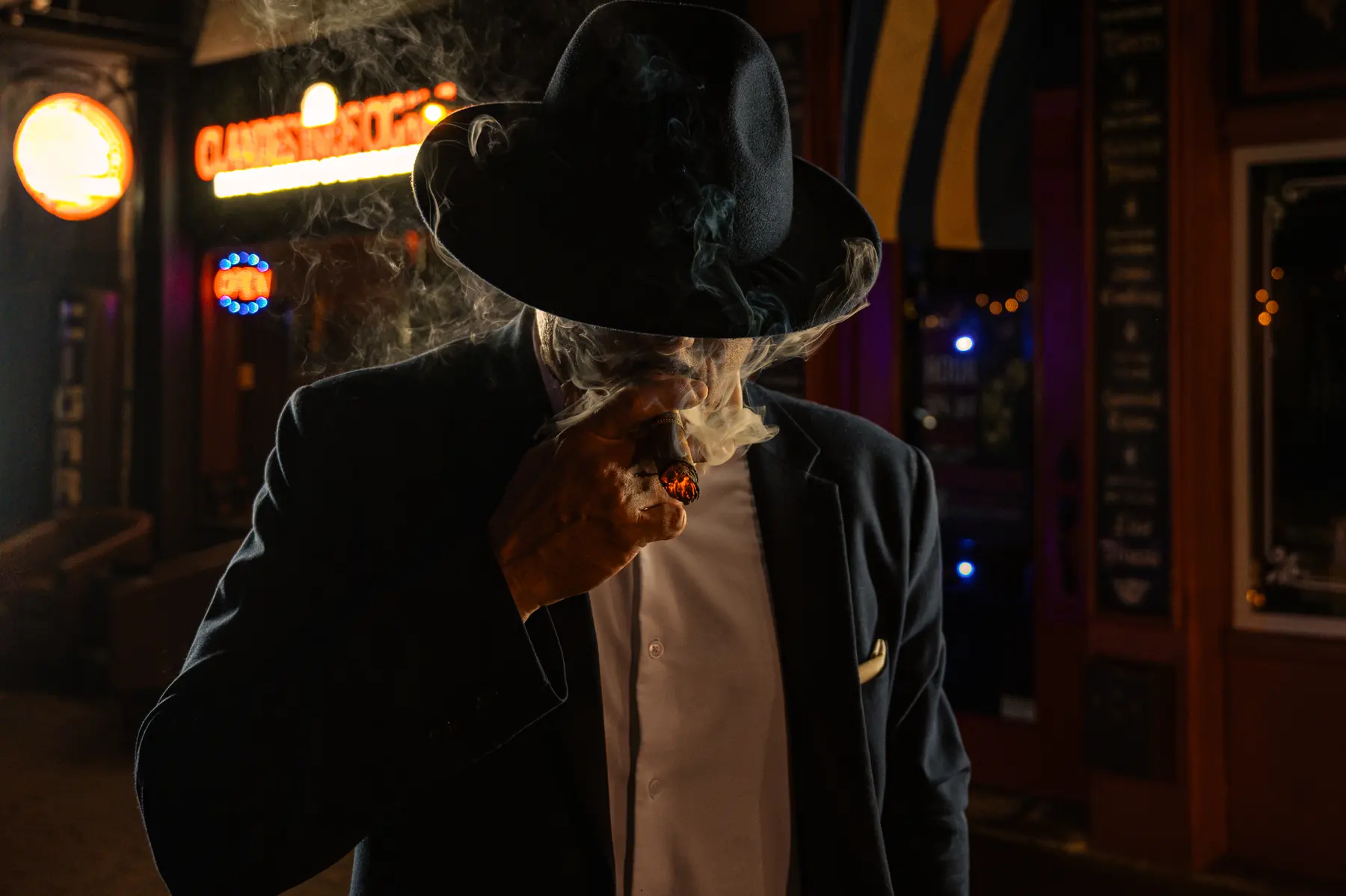
Much later, when the time came to give the product a name, that story came back to the fore. The name Clandestino was not born as a commercial strategy or as a simple choice of brand. It was born as a tribute to those cigar makers who, for years, preserved in a clandestine way knowledge and techniques that were part of the true tradition of Cuban tobacco.
Men who kept practicing their craft in a different way, keeping alive knowledge that was at risk of disappearing. Among them, that old cigar maker who, when his hands could no longer roll a cigar, was still able to pass on a lesson that would change forever the way we understand tobacco.
That is why Clandestino is much more than the name of a product. It is a tribute to those who preserved that legacy, to a tradition that survived outside the established procedures, and to the conviction that the true essence of Cuban tobacco does not lie only in its origin, but also in the knowledge, the sensitivity and the art of those who make it.